- Gilgit-Baltistan, Pakistan
- Agence Française de Développement
In Gilgit-Baltistan, the GROW-Pak project is empowering women farmers and improving their access to markets
The agricultural sector accounts for 23% of Pakistan’s GDP and employs 38% of the workforce. However, smallholder farmers, particularly women and young people, face several challenges, including limited access to resources and technology, insufficient knowledge of climate-resilient farming methods, and restricted access to markets and finance. These issues are further compounded by the effects of climate change, including frequent droughts and floods, particularly in the Gilgit-Baltistan region.
The GROW-Pak project was set up to address these challenges and promote the economic empowerment of women in seven districts of the Gilgit-Baltistan region. It is funded by AFD and implemented by Triangle Génération Humanitaire (TGH) in partnership with the Agribusiness Support Fund (ASF).
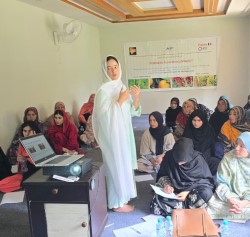
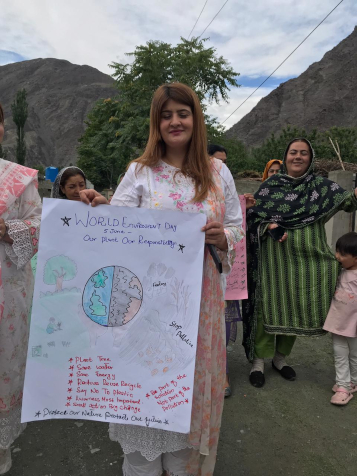
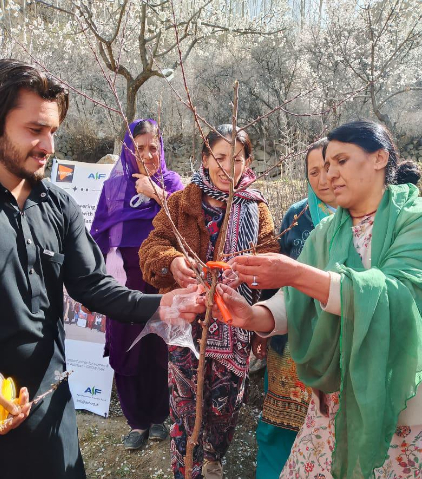
The project organises women farmers into cooperatives, strengthening their leadership and improving their access to finance and markets. It also provides training in climate-resilient agriculture. It also fosters regional partnerships, including those in Nepal, which enable women and young farmers to exchange knowledge and access formal markets, thereby increasing their household incomes.
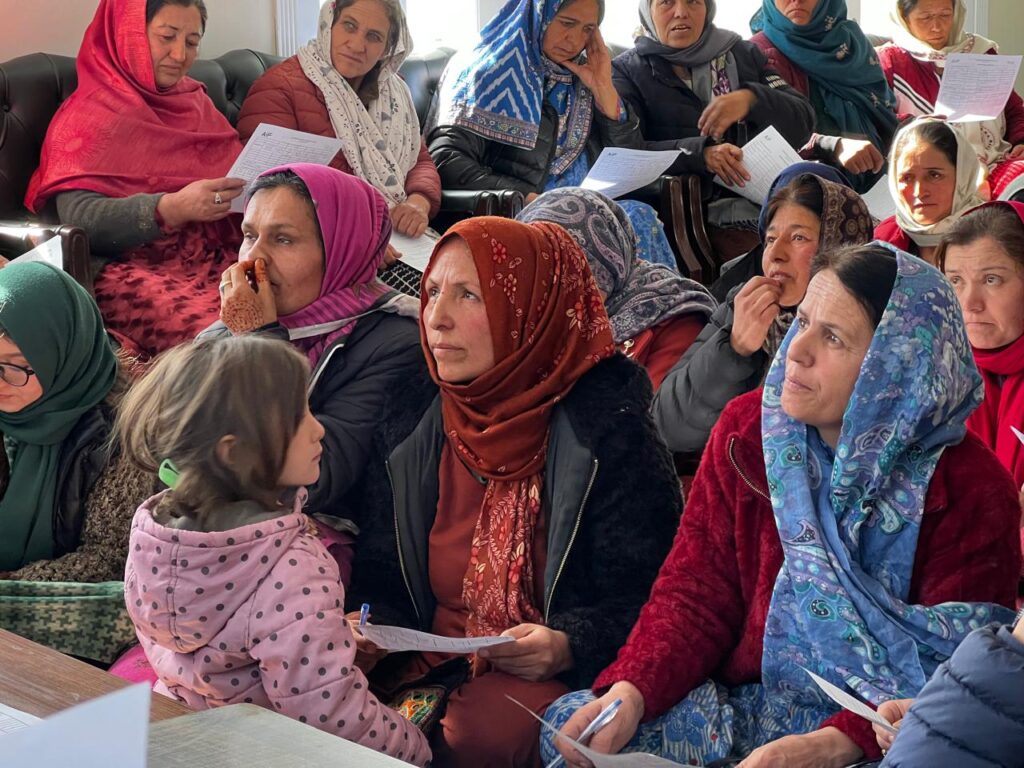
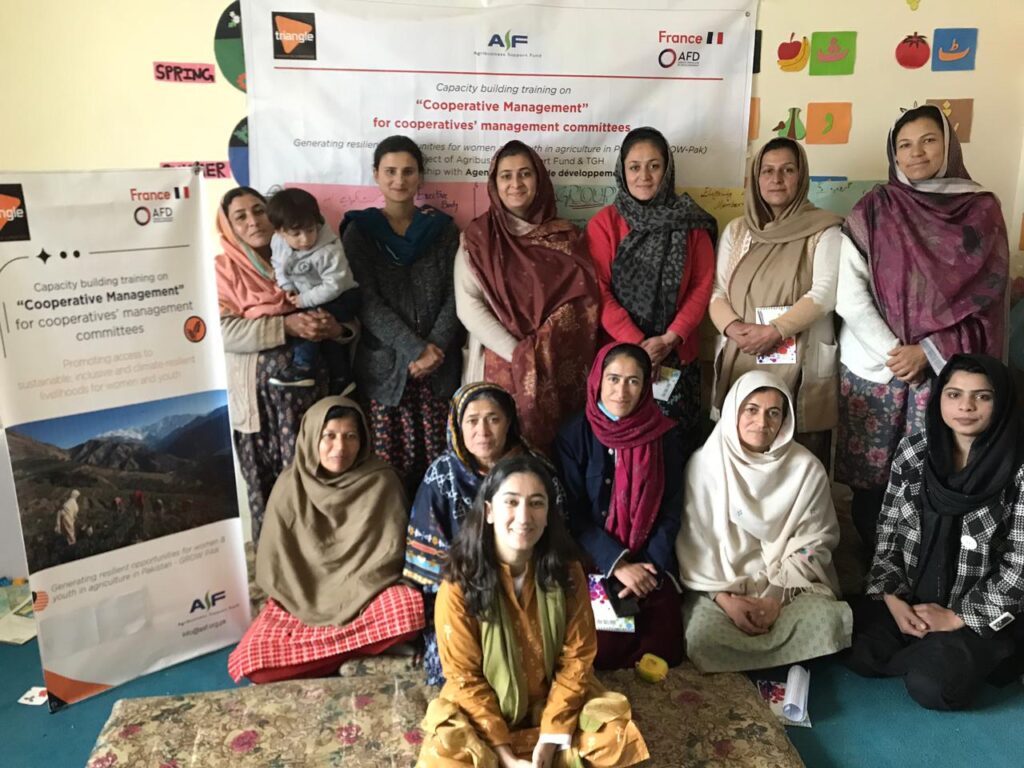
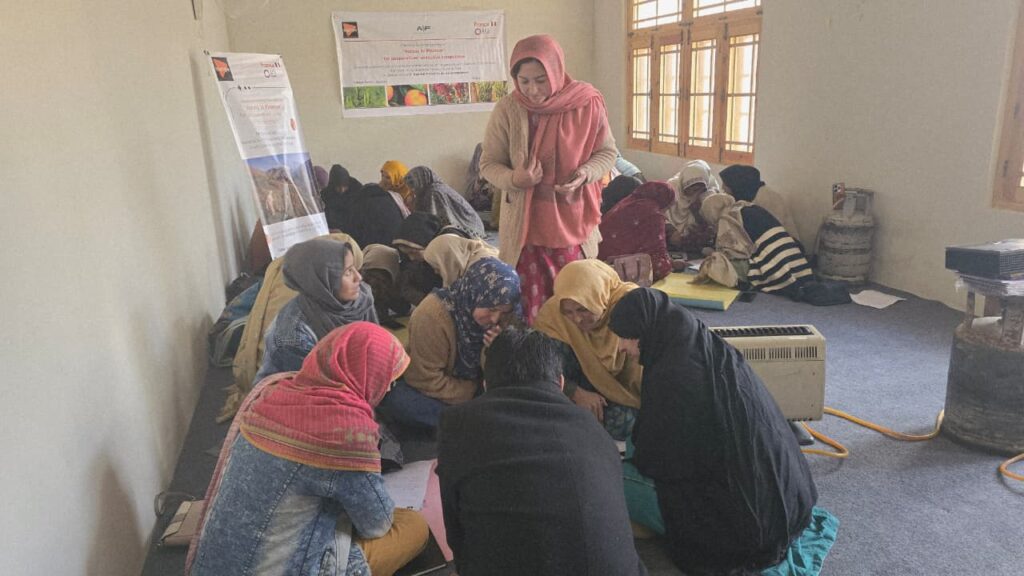
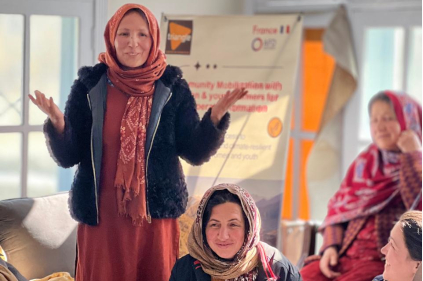
To date, over 3,800 women and young farmers have participated in 15 agri-food cooperatives, nine of which are officially registered with the local authorities. Five of these cooperatives have opened operational bank accounts, thereby promoting the financial inclusion of women farmers.
In addition, 165 women and young farmers were democratically elected to the executive and marketing committees of the cooperatives, with 75 members on each. By undergoing training in governance, financial management and agri-food business management, these women leaders have strengthened women-led institutions and expanded economic opportunities in rural communities.