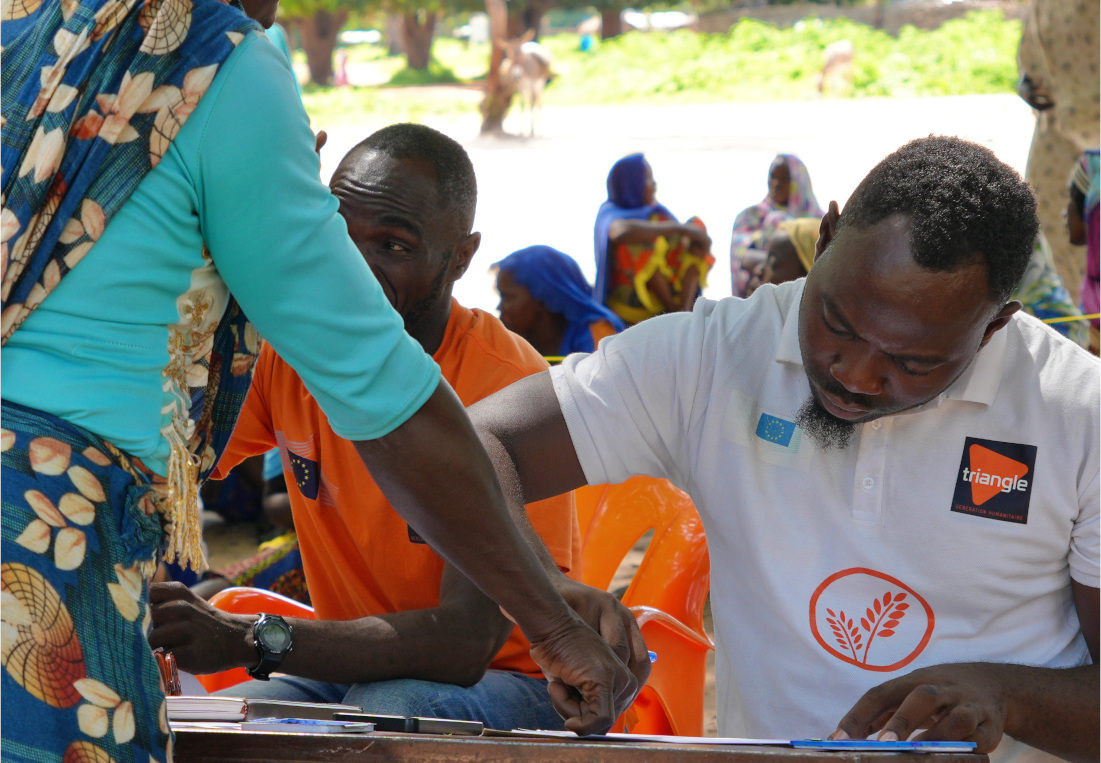
- Birao, Vakaga Prefecture, CAR
- Directorate-General for International Partnerships (DG INTPA) of the European Union
Food security is a major issue in the Vakaga region.
This rural and isolated region is located in the north-east of the Central African Republic. Dependent on trade with neighbouring Sudan, the territory has been severely affected by the crisis in Sudan that began in 2023. The resulting reduction in cross-border trade has impacted market prices and supply, exacerbating an already challenging situation characterised by food insecurity and multisectoral needs.
In response to the humanitarian crisis in Vakaga, TGH has developed a project aimed at improving food security and the production chains for plants and animals in a sustainable way.
Pour assurer l’autonomie des ménages sur le moyen et le long terme, notre équipe a organisé des distributions de kits de semences et d’outils ainsi que des formations sur les techniques agricoles. Pour lutter contre l’insécurité alimentaire, elle fournit également une assistance alimentaire temporaire lors de chaque distribution avec 1000 ménages vulnérables soutenus.
To promote the long-term self-sufficiency of households, our team has organised the distribution of seed kits and tools, as well as training in agricultural techniques. To combat food insecurity, it also provides temporary food assistance during each distribution, supporting 1,000 vulnerable households.
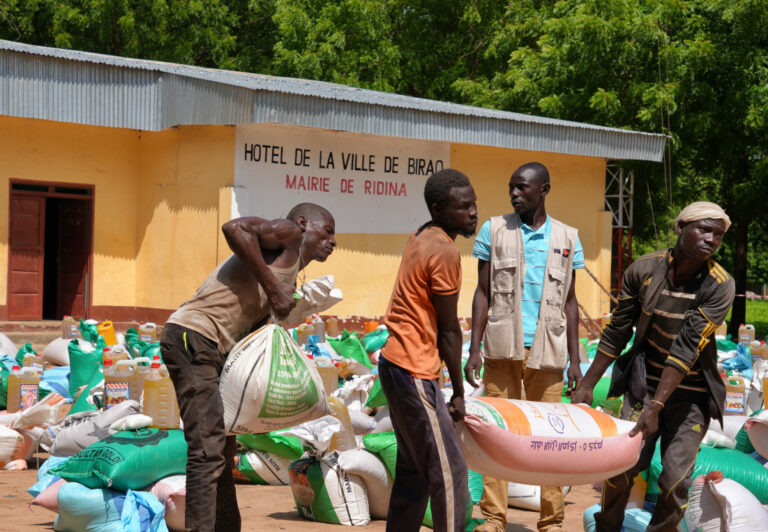
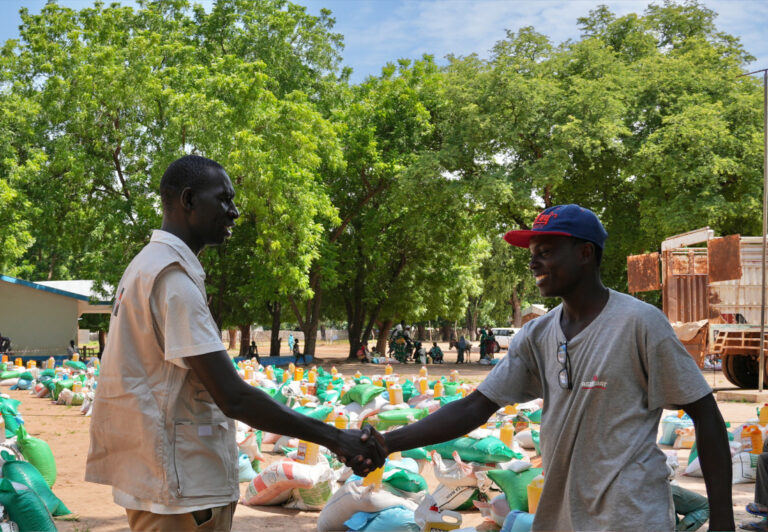
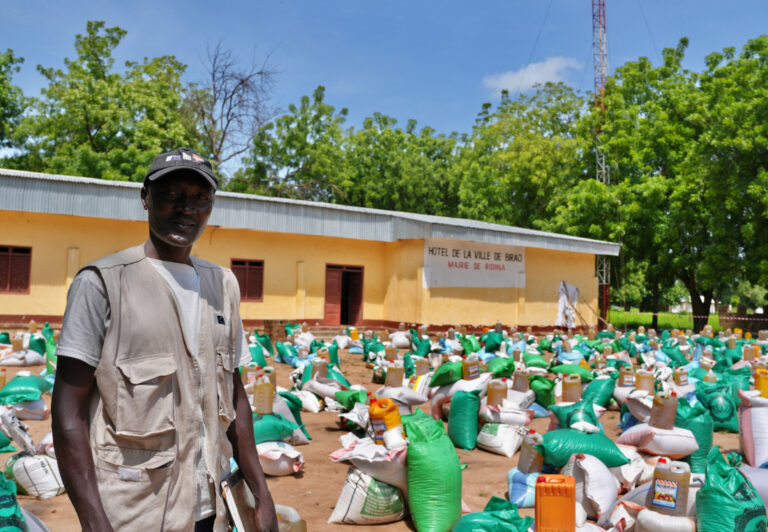
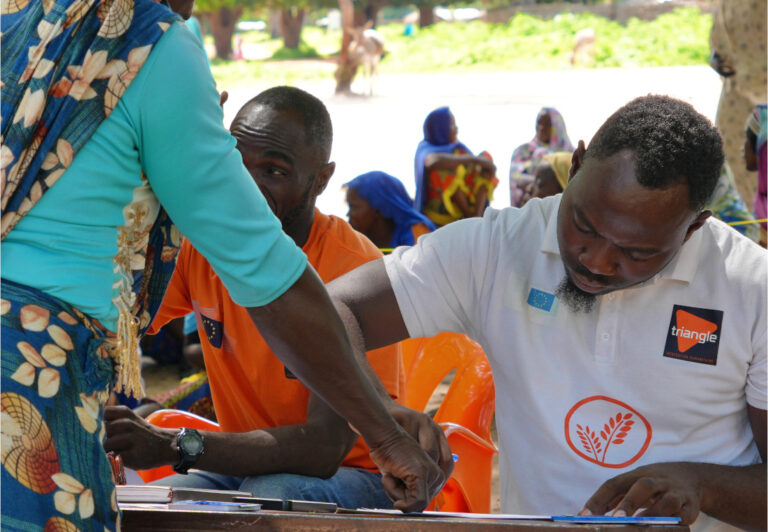
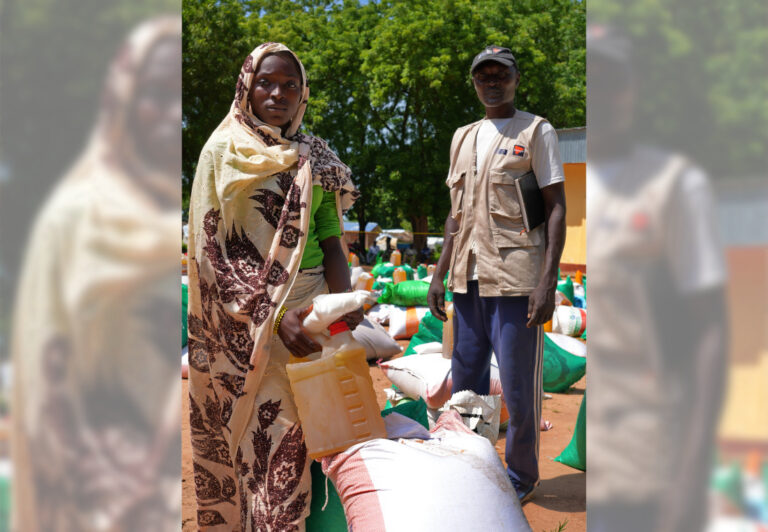
In addition to its activities targeting households, TGH in CAR collaborates with regional agropastoral stakeholders to improve food security throughout the territory:
- Livestock vaccination and screening campaigns;
- Distribution of kits for agricultural groups;
- Development of training courses and farmer training centres to promote good agricultural practices;
- Establishment of fruit tree nurseries;
- Establishment of community credit mechanisms to strengthen the autonomy and resilience of local communities.
This intervention is carried out with the support of the European Union and in cooperation with the Central African Agricultural Development Agency (ACDA), the National Federation of Central African Livestock Farmers (FNEC), and the Central African government services. Specific training is provided to the staff of these agencies to strengthen the supervision of activities in the field.