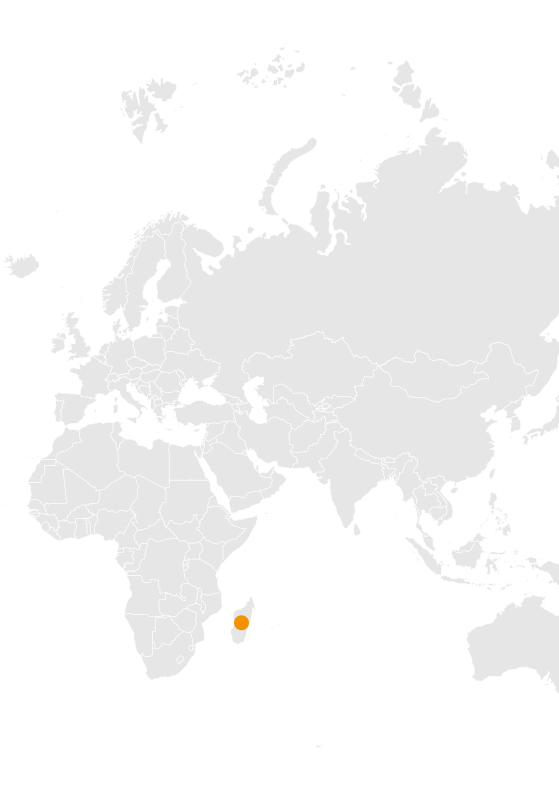
Madagascar is one of the poorest countries in the world, ranking 183rd out of 193 countries on the Human Development Index. More than 80% of the population lives on less than USD 2.15 per day, representing approximately 24.5 million people, while nearly 80.7% of the population lives in rural areas. The country faces major structural challenges related to poverty, chronic food insecurity and high exposure to natural hazards. In 2026, nearly 3 million people are estimated to be in need of humanitarian assistance. These recurrent crises further exacerbate existing vulnerabilities, undermining food security, access to essential services and the resilience of affected communities.
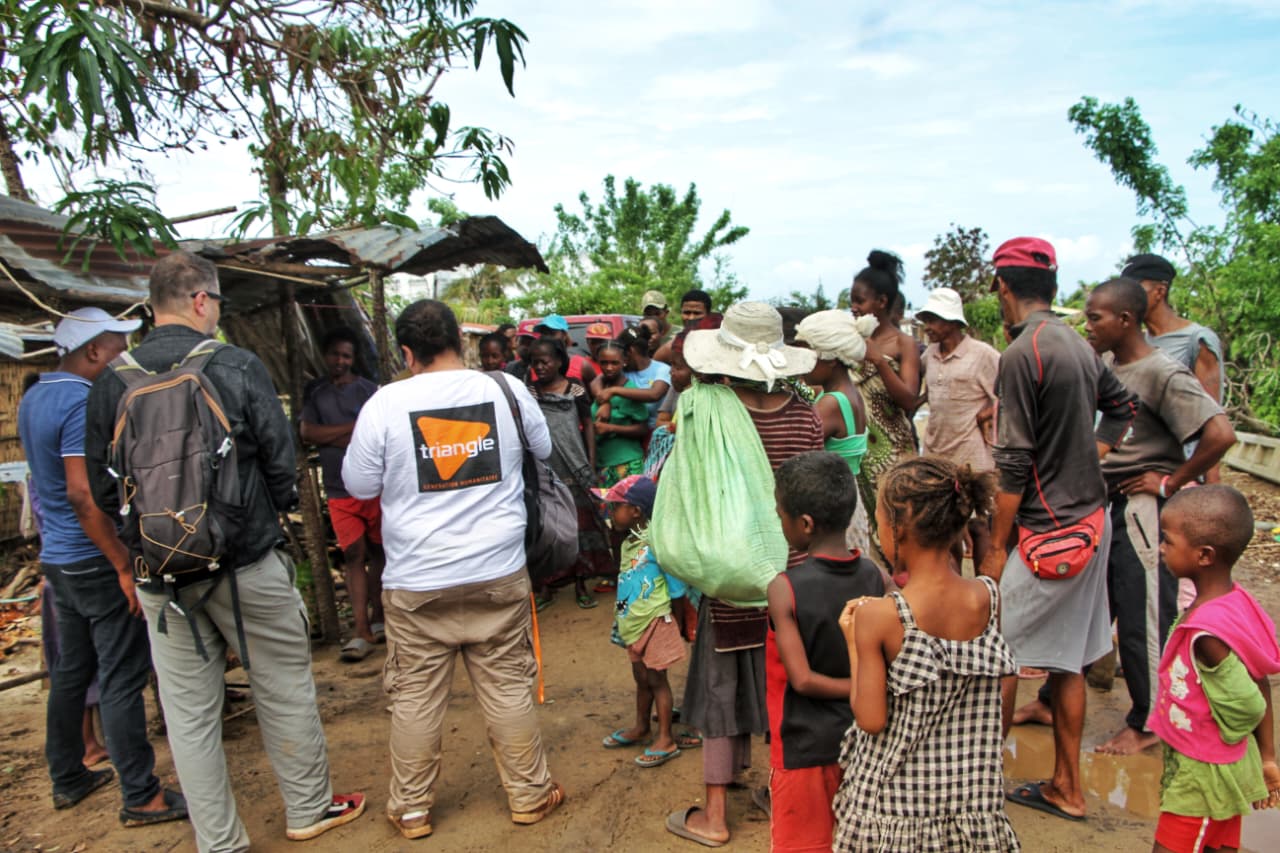
Madagascar was successively hit by Tropical Cyclones Fytia and Gezani between January and February 2026. Several regions experienced severe flooding, widespread destruction of homes, and significant damage to road, agricultural and health infrastructure. Overall, more than 681,000 people were affected by the two cyclones, of whom over 632,400 require urgent humanitarian assistance. Rural populations, already highly vulnerable, have seen their livelihoods severely impacted, particularly in the agriculture, livestock and fisheries sectors, on which a large proportion of the population depends.