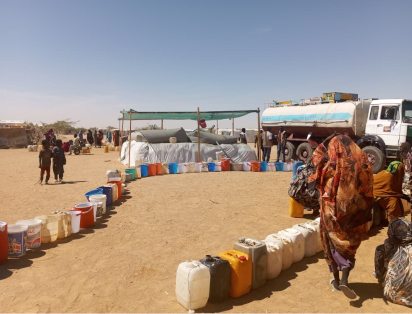
In eastern Chad, rates of acute global malnutrition far exceed the WHO's emergency threshold of 15 per cent.
Agriculture and livestock farming are the main sources of income in the region. However, droughts, floods, security issues and population displacement are limiting access to arable land and natural resources. This has a severe impact on food availability and the incomes of vulnerable households.
In response, TGH has implemented the ARIANE project to bolster the resilience of Sudanese refugees and host communities in the face of food and nutritional insecurity.
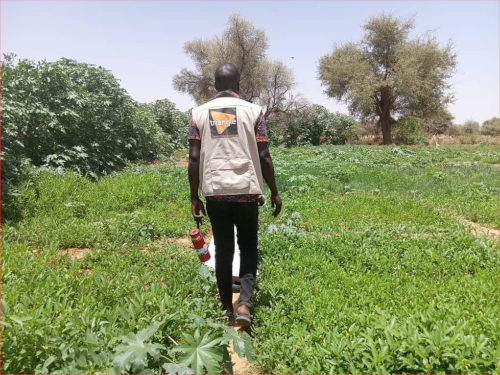
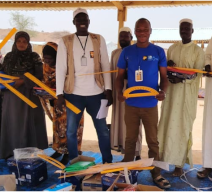
In the camps and villages of Milé, Marassabré, Idirimi and Goudrane, TGH has provided support to 477 of the most vulnerable households at risk of malnutrition. The people involved have received training in essential agroecological market gardening skills and were provided with agricultural tools and seeds to assist with sowing and harvesting.
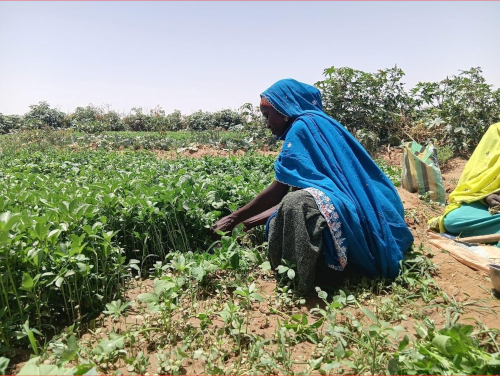
TGH has also carried out advocacy work with the authorities and community leaders to facilitate refugees’ access to arable land.
A total of 427 functional vegetable gardens have been set up by those involved, and the first harvests have now been completed.
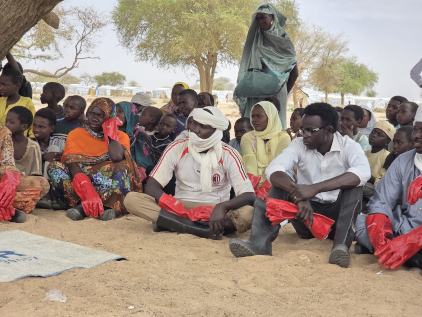
In addition, TGH has increased parents’ knowledge of maternal and child nutrition. Parents can now prepare fortified porridge for children aged six to 23 months and rice-based dishes for pregnant and breastfeeding women using local produce and crops from their gardens.
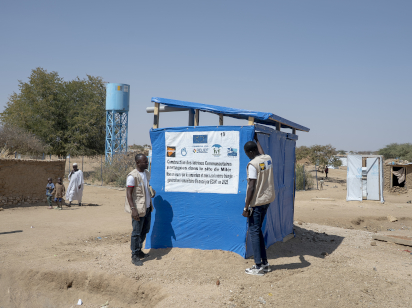
This initiative was carried out in partnership with Handicap International and the Agency for Economic and Social Development (ADES), with support from the French Ministry for Europe and Foreign Affairs via the French Initiative for Food Security and Nutrition (IFSAN).