- Madani Al Kubra, Al Jazirah State, Sudan
- French Ministry of Europe and Foreign Affairs
Food Assistance to Support Vulnerable Families in Madani
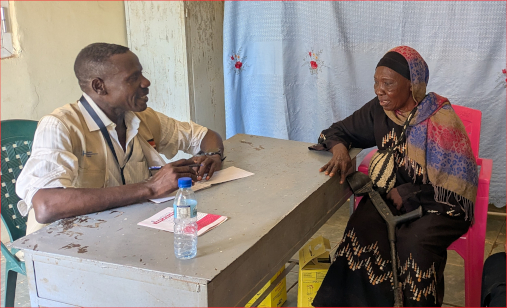
In Madani, Al Jazirah State, Sudan, Jalila is a mother of one son. For more than twenty years, she worked as a cleaner at a nutrition centre in Maranjan, in Madani Al Kubra locality. Despite living with a disability following a stroke and managing several chronic health conditions, she continued working to meet her family’s basic needs.
When the conflict broke out, Jalila was forced to flee Madani for Gedaref, where she remained displaced for more than a year. During this period, she lost the job that had been her family’s main source of income. With limited resources, she struggled to provide even one full meal a day for her family.
In May 2026, as part of its food security and nutrition response, TGH provided emergency food assistance to the most vulnerable families in Madani Al Kubra locality. Jalila was among those who received support, which was distributed over three rounds. Each beneficiary received food items worth a total of 693,000 SDG, including flour, cooking oil, powdered milk, sugar, tomato paste, lentils, rice and sesame halawa.
“The food assistance gave me strength and peace of mind. For the first time in weeks, I felt I could care for my family again. The intervention helped many families in the area and saved my family as well. I am grateful for this lifeline.”
Jalila Hassan Hamid
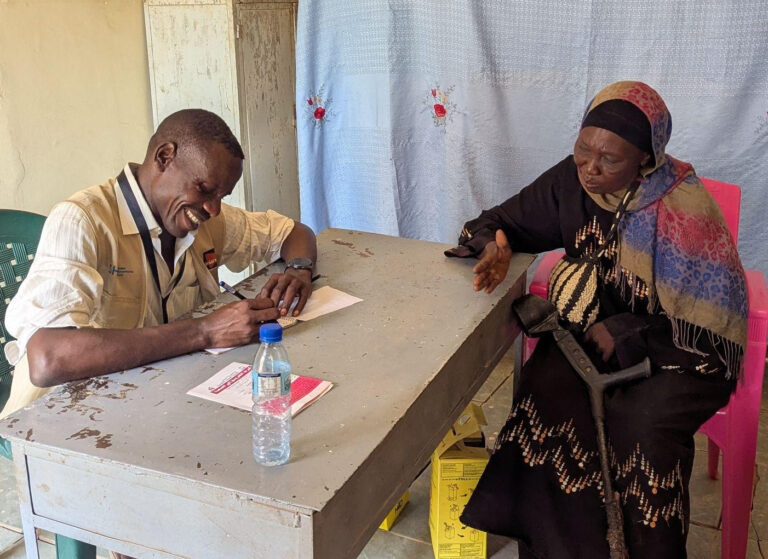
In implementing this initiative, TGH has paid particular attention to people living with disabilities and families with malnourished children, working in coordination with 13 nutrition centres across the locality. Female-headed households, child-headed households and elderly-headed households were also prioritised.
For Jalila, the assistance provided essential support during a period of severe vulnerability. She explains that TGH was the only organisation providing food assistance in her community and also calls on health-focused organisations to strengthen support for vulnerable people living with disabilities or chronic health conditions.
She also recommends improving communication with community leaders to ensure better coordination and information sharing during future distributions.
Jalila concludes by thanking TGH for its support to vulnerable communities and encourages other humanitarian organisations to continue their efforts to assist populations affected by the crisis.