Beneficiaries
26,619 (total)
Duration
01/09/25 > 31/08/26
Global budget
€1,500,000

Food security & livelihood
Funding
Programme details
This project aims to improve the nutritional security of vulnerable populations affected by the crisis in the Central African Republic (CAR) by implementing measures to prevent, detect and treat severe acute malnutrition in the Lim-Pendé and Vakaga prefectures, which are both affected by food insecurity. The project is being carried out by a consortium led by Triangle Génération Humanitaire and Action Against Hunger and targets a total of 26,619 people (including 11,963 through TGH activities). The project is supported by €1.5 million from the French Initiative for Food Security and Nutrition (including €620,000 for TGH activities).

The project’s activities aim to address the following:
- The direct causes of malnutrition, such as inadequate nutritional intake and disease.
- The underlying causes related to healthcare behaviour, particularly among pregnant and breastfeeding women, such as breastfeeding, maintaining a balanced diet and observing good health, hygiene and nutrition practices.
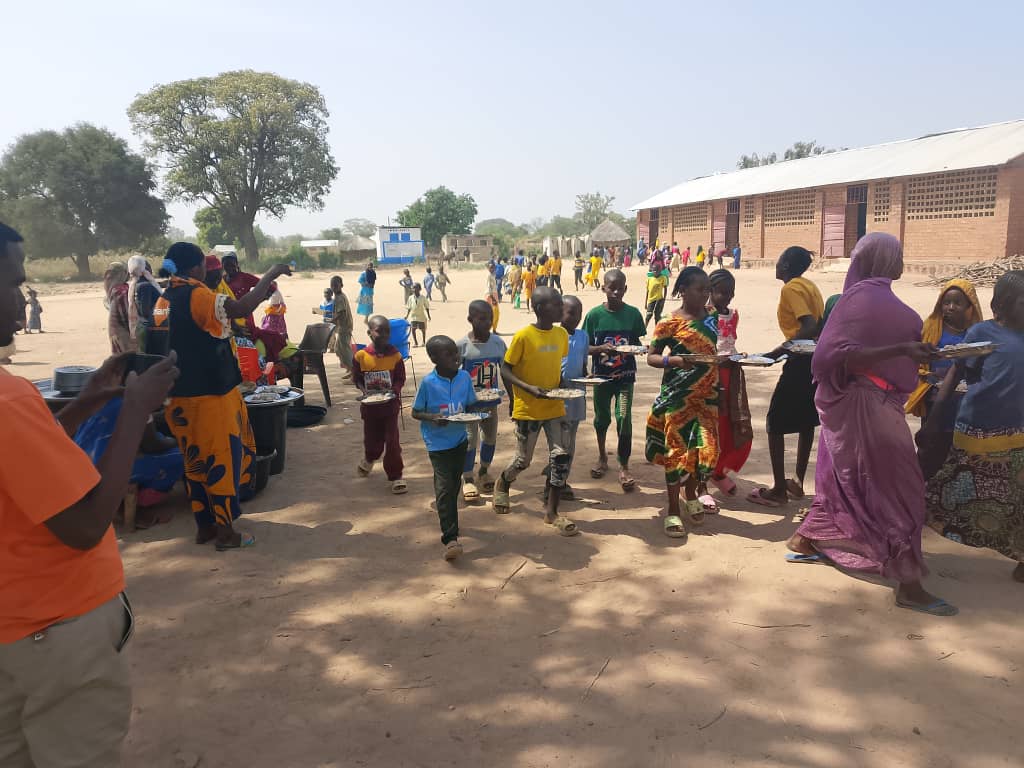
The intervention primarily targets 3,492 infants under the age of two (including 1,834 refugees) and 5,488 pregnant and breastfeeding women (including 2,882 refugees). The intervention also provides medical and nutritional care, including screening and treatment for malnutrition and micronutrient supplementation, to 8,332 children aged 0–59 months. It provides food assistance to 300 households with children suffering from acute malnutrition and school meals to 1,647 pupils aged 6–17.
Additionally, the project aims to educate 4,226 community members and local leaders on healthy eating habits to prevent undernutrition and promote inclusive practices.
The consortium is implementing preventive care targeting the ‘1,000-day window of opportunity‘ (i.e. the period from the fourth month of pregnancy to the child’s second birthday), as well as providing treatment for malnutrition, in five health facilities/centres (FOSA).
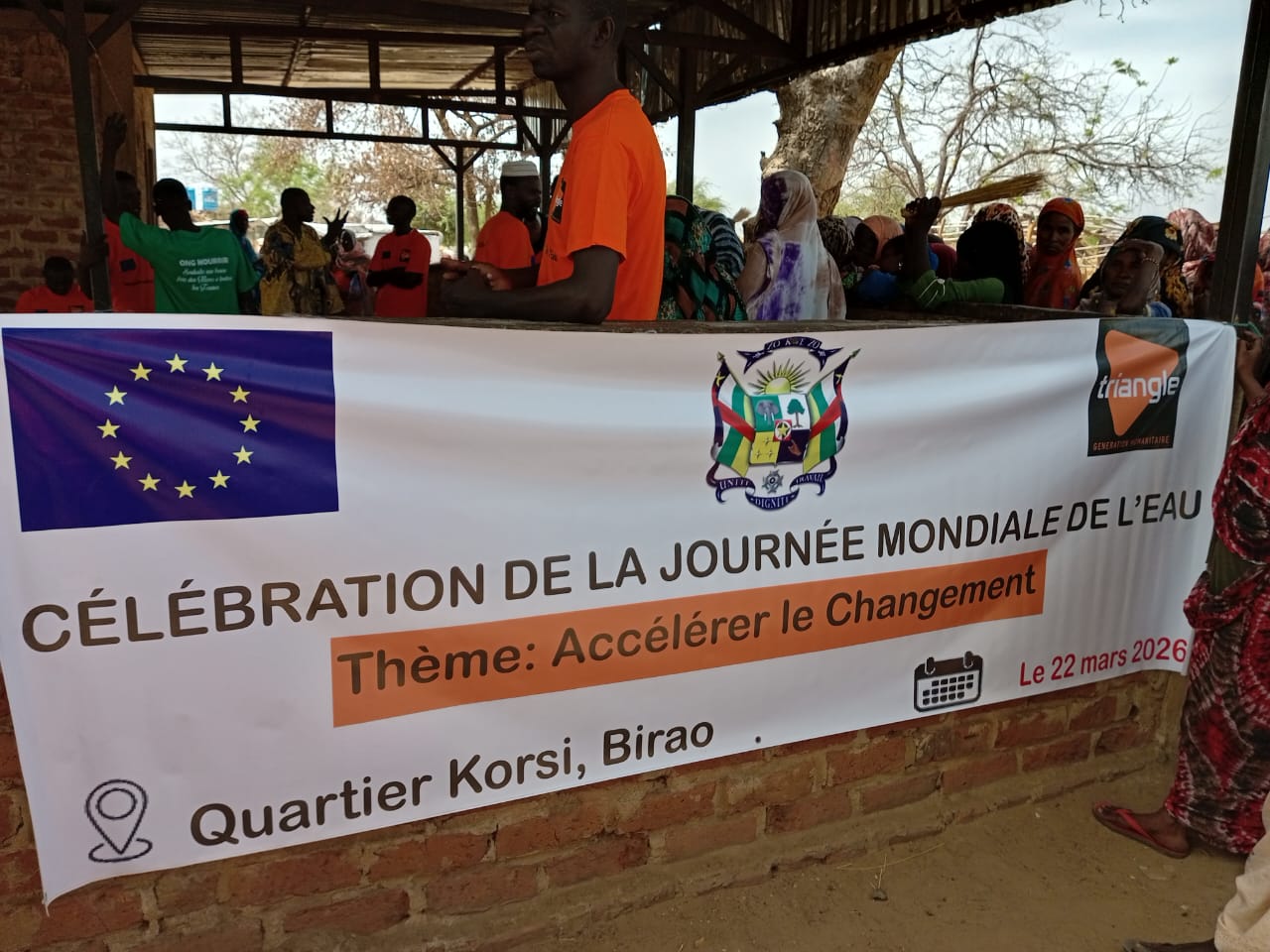
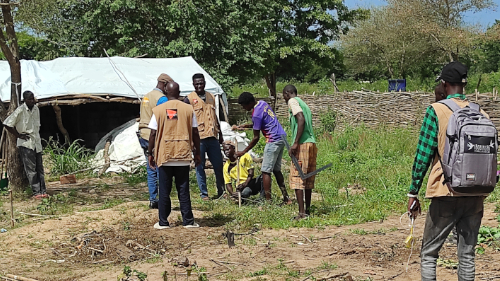
In Vakaga, where TGH has been active for several years, the project builds on the educational activities that TGH has already carried out in three schools. In addition to water, hygiene and sanitation interventions, as well as a community-based programme to combat child malnutrition in the Korsi camp, food assistance is being implemented for vulnerable households in the Korsi refugee camp. A referral system has also been established to ensure that children under five identified as suffering from severe acute malnutrition at the Korsi site are referred to the relevant healthcare facilities.