Beneficiairies
93,200
Duration
01/09/25 > 31/08/26
Global budget
€2,000,000

Food security & livelihood
Funding
Programme details
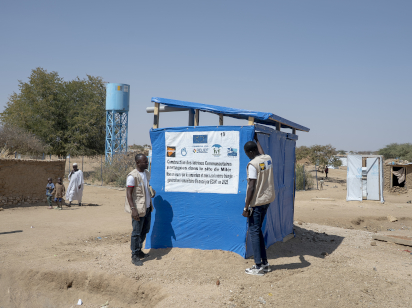
The Ariane project aims to strengthen the resilience, food security and nutrition of 93,200 people (including 6,200 children under 24 months old and 42,630 pregnant and breastfeeding women) in the Wadi Fira province, with a particular focus on the Milé, Koursigué and Iridimi areas. The project is being implemented by a consortium comprising Handicap International (HI), the Economic and Social Development Agency (ADES), and Triangle Génération Humanitaire (TGH). The total budget for the project is €2,000,000, of which €250,000 is allocated to TGH’s activities.


The project also aims to provide food assistance to 950 vulnerable households, particularly female-headed households, in the targeted areas during the lean season. HI and the NGO Ades provide prevention and medical and nutritional care for children and FEFA. HI also ensures that the basic nutritional needs of those involved in the project are met.
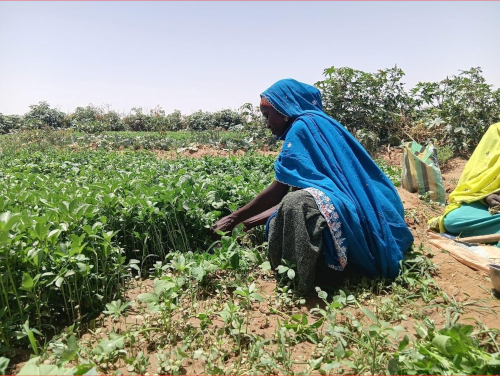
TGH’s intervention focuses on training vulnerable households, including FEFA and/or children under two years of age suffering from acute malnutrition, in nutrition-sensitive agriculture (NSA).
Nutrition-sensitive agriculture is an approach that aims to ensure the production of a wide range of nutritious, culturally appropriate and healthy food of a high quality, in sufficient quantities and at affordable prices, to meet the food needs of populations in a sustainable manner.
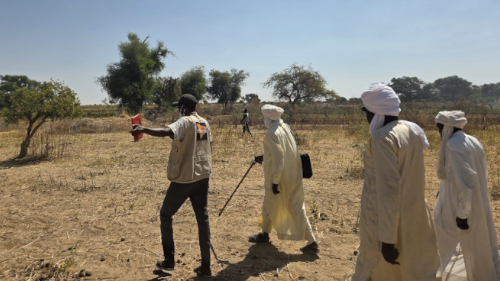
The agricultural activities implemented by TGH are co-designed with local leaders, agricultural groups, and targeted households through local consultations, in order to tailor interventions to actual needs, resources, and preferences. This promotes ownership and sustainability. Priority is given to the most vulnerable households in these activities, including those affected by severe acute malnutrition (SAM) or moderate acute malnutrition (MAM), pregnant and breastfeeding women, and female-headed households.
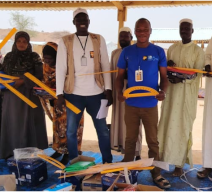
TGH also distributes seed kits containing seasonal vegetables adapted to nutritional needs, as well as tools, after assessing the local market. Use of the inputs and tools is monitored to ensure the relevance of the action and measure its effectiveness.
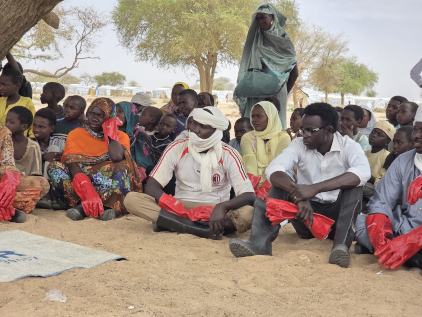
Finally, government officials supported by TGH provide training courses in agroecological market gardening, covering topics such as soil, irrigation, compost and biological pest control. At the same time, monthly cooking demonstrations are offered to promote local produce and encourage cooking practices that meet the nutritional needs of those involved in the project. TGH also conducts field monitoring to assess vegetable gardens and adapt the advice given to households. Particular attention is paid to environmentally friendly practices.