Beneficiairies
36,693
Duration
01/04/26 > 31/03/27
Global budget
$700,000

Water, Sanitation & Hygiene
Funding

Programme details
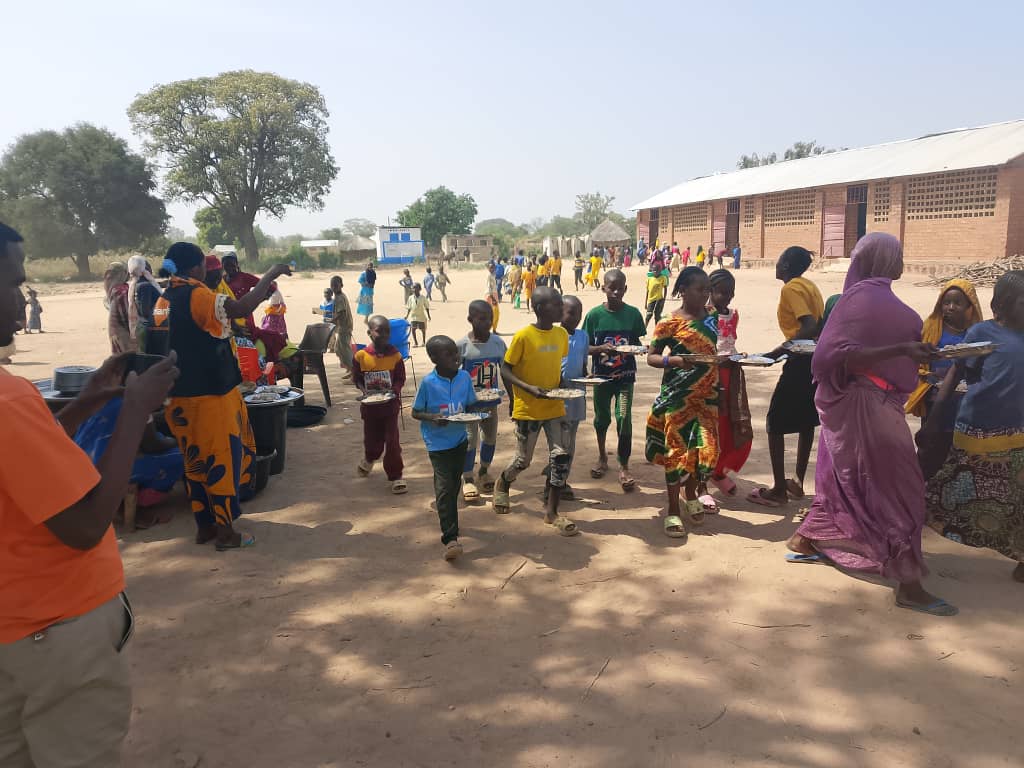
The Emergency Water, Sanitation and Hygiene (WASH) Assistance Project aims to provide vital humanitarian assistance to displaced, host and returnee populations in Ouandja and Ouanda-Djallé in Vakaga Prefecture, which has been affected by deteriorating security and humanitarian situations. This landlocked region has faced numerous challenges for decades and has been severely impacted by the war in neighbouring Sudan since 2023.
The project targets a total of 33,693 displaced persons, returnees and host community members, as well as Sudanese refugees living in several localities in the municipalities of Ouandja and Ouanda-Djallé. 6,396 women, 13,182 girls, 5,530 men and 11,586 boys.
TGH is implementing this initiative in partnership with the national NGO Groupe Agro-pastoral pour le Développement de Yongoro (GADY).
TGH prioritises an approach that focuses on identifying and leveraging the skills of national stakeholders. Alongside humanitarian efforts for local communities, TGH supports GADY teams in strengthening their capabilities.
The intervention consists of four components dedicated to water, sanitation and hygiene (WASH), which aim to provide communities with inclusive, adapted and equitable access to various services.
Access to drinking water: TGH oversees the rehabilitation and construction of water points, including establishing management committees for these water points, and training and equipping repair technicians.
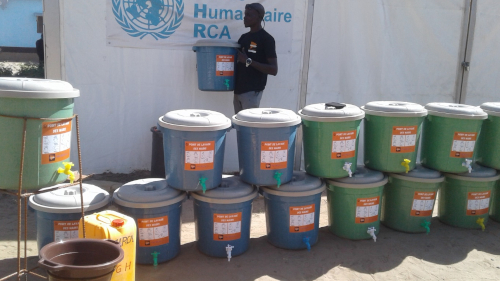
Access to sanitation: Community latrines are built using the Community-Led Total Sanitation (CLTS) approach. Project teams establish and support management committees for sanitation infrastructure. In addition, handwashing stations are installed.
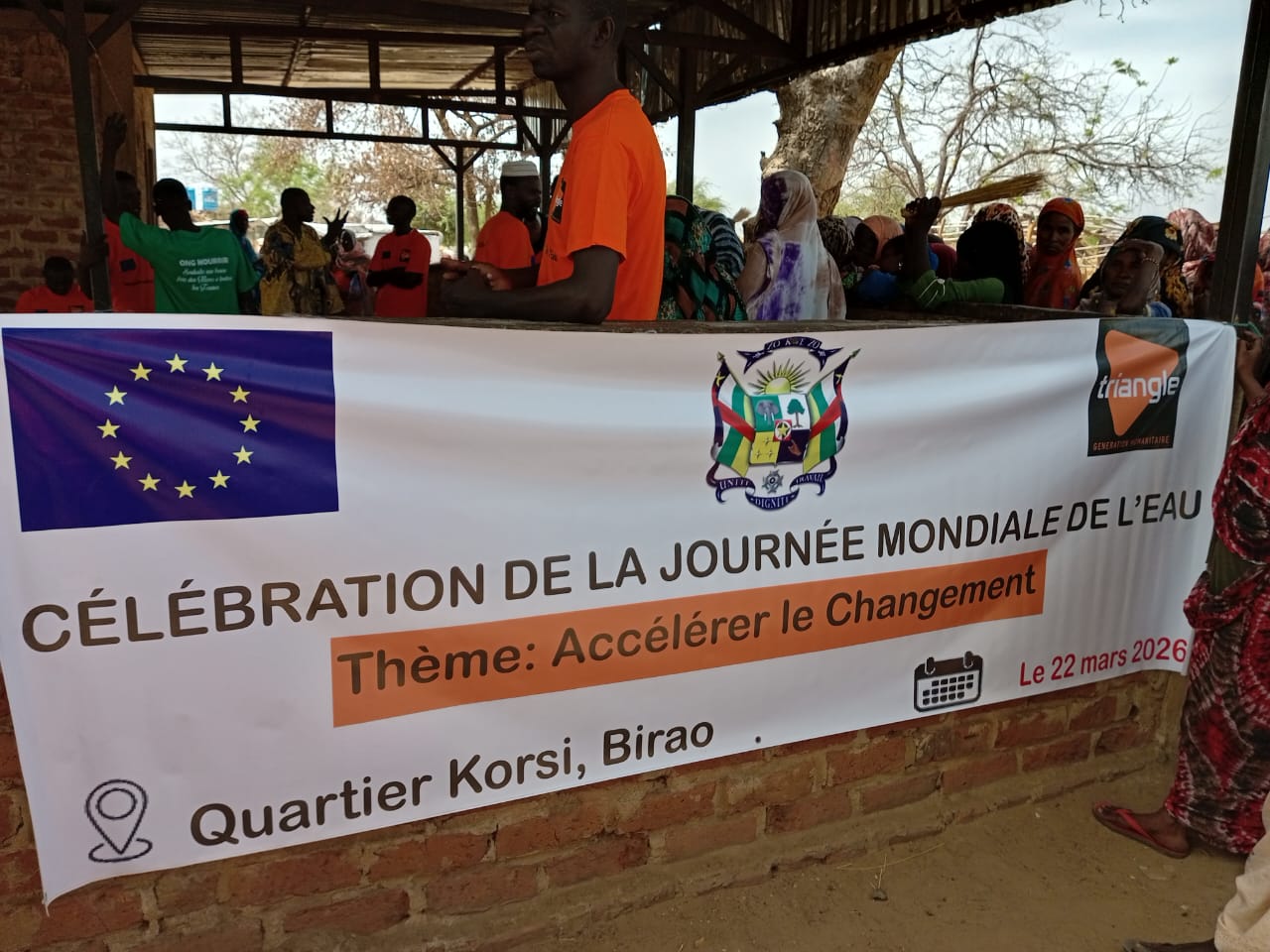
Changing Practices and Behaviours: Awareness-raising and prevention activities focusing on hygiene practices, as well as capacity building for community liaisons (RECO, WASH mums and the prefectural committee), are carried out in close collaboration with the communities. Furthermore, the teams are distributing hygiene kits to 400 households that have been identified as needing support.
Responsible Governance: As part of the project, we are strengthening our ties with local committees to help them oversee infrastructure management and establish fully operational prevention, reporting, monitoring and evaluation systems. To this end, initiatives to raise awareness of practices that prohibit sexual exploitation and abuse (SEA) are being implemented for all stakeholders.